

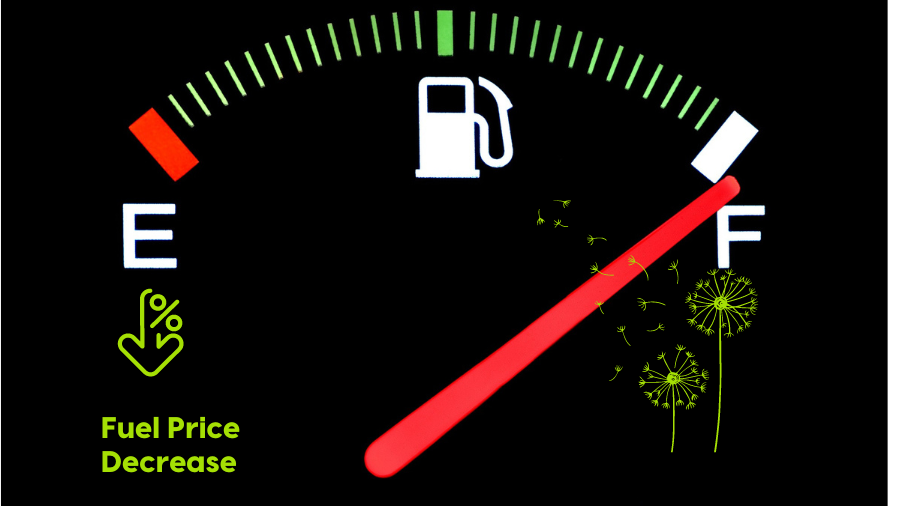
As we embrace the vibrant energy of Spring, we’re excited to bring you some uplifting news. In September, we’ve witnessed a decrease in fuel prices, presenting you with a remarkable chance to capitalize on significant savings. This drop not only allows you to stretch your fuel budget further but also helps you cut down on operational costs and enhance your overall efficiency. It’s a moment of opportunity that we’re eager for you to seize.
However, as we look forward to October, we anticipate potential fluctuations in fuel prices driven by global supply uncertainties and local economic factors. These shifts could impact your costs and present new challenges. Now is the ideal time to safeguard your savings and maintain operational stability. By locking in your fuel purchases and refining your fuel management strategies, you can stay ahead of these potential price changes and protect your business from unexpected volatility.
Our dedicated team is committed to guiding you through these transitions with ease. We offer customized solutions, including bulk purchasing options and strategic planning support, to help you navigate any future fluctuations effectively.
Don’t let October’s uncertainties impact your bottom line. Take advantage of the current favorable prices by securing your fuel needs today. Reach out to us to explore how we can assist you in maximizing your savings and preparing for what lies ahead. Together, let’s turn these challenges into opportunities and drive your success forward.
Rand Revival: Seizing Opportunities Amidst Currency Strength
As we approach the end of August 2024, South Africa is witnessing a notable strengthening of the rand. This shift in the currency landscape brings both advantages and challenges for businesses across the country.
Pros of a Stronger Rand:
- Cost Savings: For companies importing goods or raw materials, a stronger rand means reduced costs. This can lead to lower overheads and potentially more competitive pricing.
- Increased Profit Margins: Businesses with international revenue streams will see improved profit margins as the value of foreign earnings converts more favorably.
- Enhanced Investment Appeal: A robust rand can attract foreign investors, seeing it as a sign of economic stability and growth potential.
Cons to Consider:
- Export Challenges: For businesses relying on exports, a stronger rand can make South African products more expensive on the global market, potentially impacting sales volumes.
- Margin Pressure: Companies that have not adjusted their pricing strategies may experience squeezed profit margins due to the stronger currency.
Capitalising on the Strengthened Rand:
- Review Supply Chains: Evaluate your supply chain and consider renegotiating contracts or bulk purchasing to take advantage of lower import costs.
- Adjust Pricing Strategies: If you’re an exporter, rethink your pricing to maintain competitiveness in international markets.
- Invest in Growth: Use the opportunity to invest in growth initiatives or new technology, leveraging the increased purchasing power of a stronger rand.
By strategically navigating the implications of a stronger rand, businesses can enhance their operational efficiencies and seize new opportunities for growth.
Navigating the GNU Era: South Africa’s Political Shift and Market Opportunities
South Africa’s political landscape has been reshaped by the recent local elections, ushering in a Government of National Unity (GNU) with a generally positive reception in the markets. While the GNU brings optimism, the multiparty coalition’s inherent differences are expected to introduce volatility. The expanded cabinet—now with 32 ministers and 43 deputy ministers—must demonstrate efficiency to ensure effective use of taxpayer funds.
In this evolving scenario, the South African Rand (ZAR) is likely to remain volatile. Short to medium-term projections suggest a range between 17.8000 and 18.6500, with potential for stronger performance as global rates decline and positive news from South Africa continues. Importers are capitalizing on lower exchange rates, while exporters await opportunities to hedge at higher levels.
Key influences on the ZAR will include local political stability, market reforms, and global trends such as US inflation and interest rate cuts. Recent foreign investment has boosted the JSE and bonds, with the ZAR outperforming many emerging market currencies. Future improvements will hinge on the GNU’s reforms and resolving grey listing issues. As global political shifts unfold, increased market volatility is expected, impacting the ZAR’s long-term outlook.
Fueling Savings: Mastering Bulk Fuel Management for Maximum Efficiency
In today’s competitive market, effectively managing fuel costs is vital for industries like transportation, logistics, and agriculture. At Eco Diesel, we know that smart bulk fuel management can lead to significant savings and increased operational efficiency. Here’s how you can fuel your savings:
- Bulk Purchasing Power
Buying fuel in bulk secures lower prices per unit and stabilizes costs, shielding your business from market volatility. Strong supplier relationships are key to maximizing these benefits. - Explore Alternative Fuels
Switching to alternative fuels like biodiesel or natural gas can offer cost savings and environmental advantages. Assess their feasibility for your operations to enhance sustainability and reduce expenses. - Smart Fuel Management Systems
Leverage technology to monitor fuel usage and inventory in real time. Smart systems help you identify trends, forecast demand, and make data-driven decisions that cut waste and optimize fuel purchases. - Invest in Proper Storage
High-quality storage tanks and regular maintenance prevent fuel loss through contamination, evaporation, and theft, protecting your investment and ensuring compliance with regulations. - Optimise Delivery Schedules
Scheduled deliveries prevent last-minute rush purchases and ensure a steady fuel supply, often at discounted rates.
Connect with Eco Diesel today to learn how our strategies can help you save on fuel and boost your bottom line.
September Savings: Fuel Prices Drop for the Fourth Straight Month!
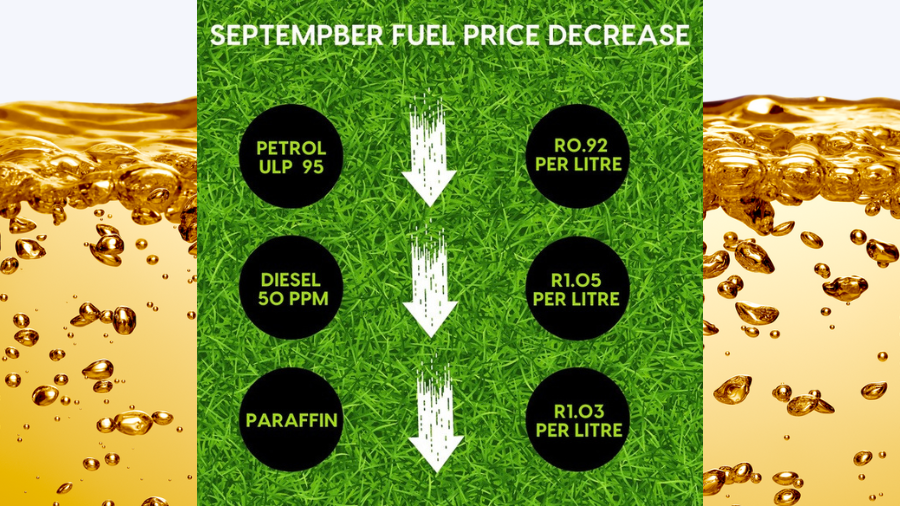
In September 2024, South African consumers will experience a significant relief as fuel prices are set to decrease for the fourth consecutive month. According to unaudited data from the Central Energy Fund (CEF), the Automobile Association (AA) predicts that 95ULP will drop by approximately 94 cents per litre, and 93ULP by around 86 cents per litre. Diesel prices are expected to fall by about 76 cents per litre, while illuminating paraffin will see a reduction of nearly R1.01 per litre.
The AA attributes this decline to a stronger Rand/US Dollar exchange rate and lower international oil prices. While an increase in the fuel retail margin by 5 cents per litre may slightly offset the total savings, the overall impact remains positive. Consumers are advised to maintain their vehicles properly to fully benefit from these lower prices.

Global Fuel Giants Hit the Brakes: BP, Shell, and TotalEnergies Exit South Africa
In a significant shift, global energy giants BP, Shell, and TotalEnergies are retreating from South Africa. BP and Shell recently sold the Sapref Refinery for R1, while TotalEnergies has divested from the Natref Refinery and announced its exit from offshore drilling licenses. These moves align with their global strategies to divest from non-core assets and focus on more viable markets.
TotalEnergies, Europe’s largest oil company, has pivoted to reserves off Namibia’s coast, citing the high costs and low demand for fossil fuels in South Africa. Shell and BP have also scaled back their South African operations, including aviation and jet fuel activities, due to economic challenges and alignment with cost-cutting strategies.
Experts point to South Africa’s sluggish economic growth and declining private investment as underlying reasons for these exits. The country’s GDP growth has remained low, with only 0.9% projected for 2024, compared to higher growth rates in other emerging markets.