
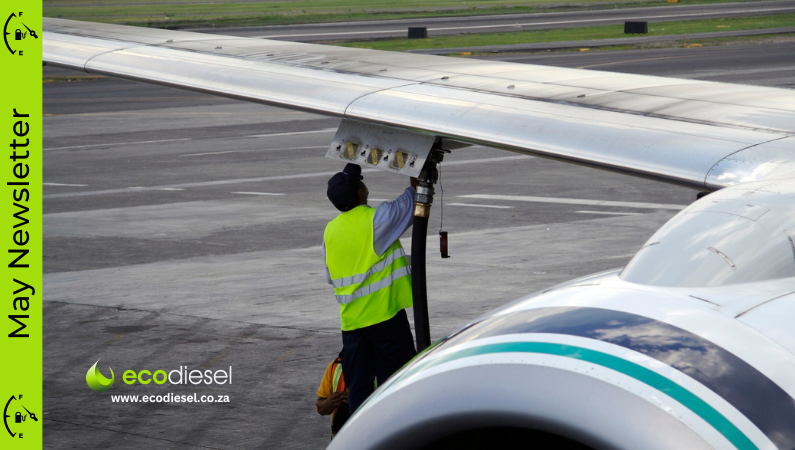
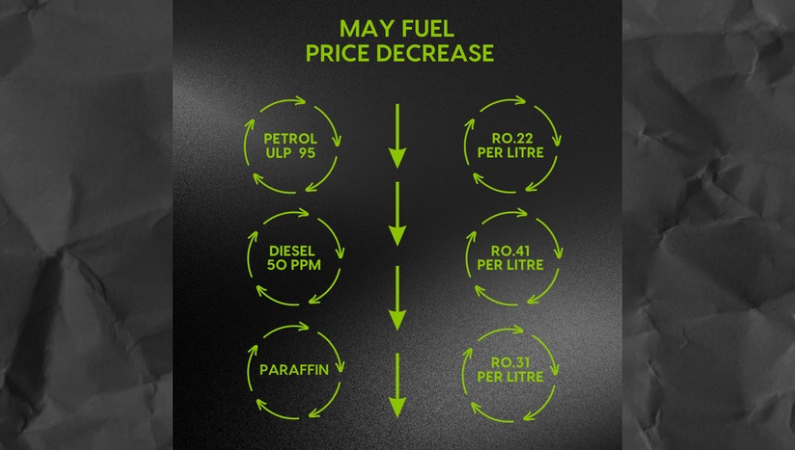
As we enter May, we are pleased to share some positive news for all South African businesses—fuel prices are expected to decrease. This relief is a much-needed boost, particularly in a challenging economic environment. At Eco Diesel, we understand the critical role that fuel plays in the smooth running of your operations, and we are committed to providing you with high-quality, cost-effective fuel solutions that help keep your business moving forward.
The drop in fuel prices comes as a result of falling global oil prices and a strengthening rand. These changes offer immediate savings at the pump and are set to reduce operational costs for businesses across various industries. This price relief not only helps businesses like yours save on fuel expenses but also contributes to the moderation of inflation, which further supports economic stability.
At Eco Diesel, we continue to focus on delivering reliable bulk fuel supplies with exceptional customer service. Whether you’re managing a fleet, factory, or logistics operations, we’re here to ensure you have the fuel you need, when you need it. We also remain dedicated to offering sustainable fuel solutions that align with your environmental goals.
Thank you for your continued partnership. We look forward to supporting your business as we navigate this positive shift together.
Good News for South African Motorists: Petrol Price Cuts and Interest Rate Relief Ahead
South Africans can look forward to a much-needed break as petrol prices are expected to decrease, continuing the trend of savings following significant cuts in recent months. The drop in fuel prices is largely due to a sharp decline in global oil prices, which have fallen below key thresholds, combined with a strengthening rand. This reduction at the pump provides immediate relief to consumers and businesses alike.
The lower fuel prices also have a positive impact on inflation, which has been steadily decreasing and is now well below the South African Reserve Bank’s (SARB) target range. With inflation easing, economists anticipate that the SARB may have room to lower interest rates further later this year. These potential rate cuts could stimulate the economy by making borrowing more affordable, which is expected to benefit both consumers and businesses in various sectors.
While challenges remain in the global economy, including trade tensions and slower growth, the combination of falling fuel prices and expected interest rate cuts is offering a glimmer of hope. This relief is especially important for South Africa’s industrial sectors that rely on fuel and energy to drive production and economic activity. As inflation continues to moderate and interest rates decrease, South Africa is poised for a positive shift, supporting the recovery and growth of key industries.
Did You Know?
As of May 2025, South Africa imports over 60% of its refined fuel due to limited refining capacity — making global oil prices, the Rand exchange rate, and international shipping costs key influencers on local fuel prices. With load shedding and shipping disruptions still a reality, this has a direct impact on your monthly fill-up!
South Africa Faces Looming Gas Crisis: 70,000 Jobs at Risk
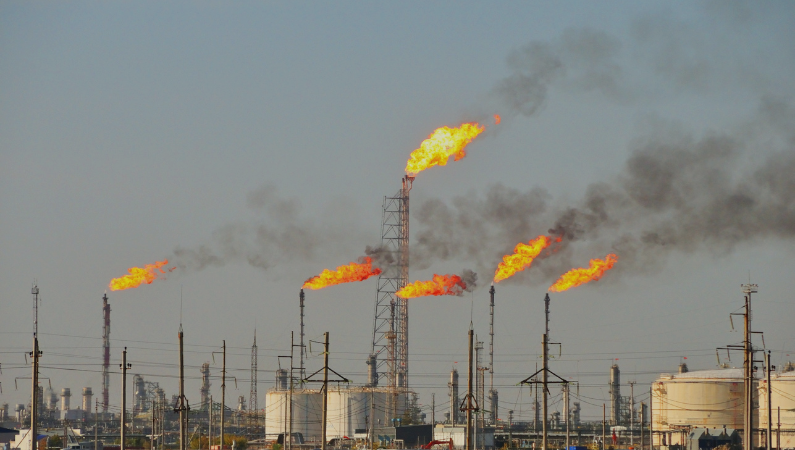
South Africa is facing a severe energy crisis, with the country’s looming gas shortage threatening to put around 70,000 jobs at risk and impact up to 5% of its GDP. Natural gas, which powers key industries such as steel, petrochemicals, and transportation, is vital to South Africa’s economic stability. However, gas supplies from neighboring Mozambique are dwindling, and production from critical gas fields is expected to drop dramatically by 2026.
This “gas cliff” is a serious concern, as it could cripple the country’s industrial sector, which relies on gas for operations and energy. The loss of jobs in these sectors would have devastating economic consequences, undermining between R300 billion and R500 billion annually, according to experts.
In response, the African Energy Leadership Centre at Wits Business School, in collaboration with IGUA-SA, is convening a symposium to address the crisis. Solutions under discussion include importing liquefied natural gas (LNG) in the short term and exploring regional energy opportunities in the longer term, such as the potential hydrocarbon finds in Namibia’s Orange Basin.
The government, private sector, and academia are coming together to craft a 25-year “gas pact” to ensure long-term energy security and mitigate the effects of this potential disaster.
How to Extend the Life of Diesel Engines in Tough South African Conditions
South Africa’s harsh environmental conditions—extreme heat, dust, and fluctuating fuel quality—pose unique challenges for diesel engines. As a leading supplier of diesel, Eco Diesel understands the importance of ensuring that your engines perform at their best, even in these tough conditions. Here are some tips to help extend the life of your diesel engines:
Regular Maintenance
Routine maintenance is crucial to keep diesel engines running smoothly. Regularly changing the engine oil, fuel filters, and air filters helps prevent contaminants from causing damage. In South Africa’s dusty environment, changing air filters more frequently can help ensure optimal engine performance.
Quality Fuel
Using high-quality diesel fuel is essential for engine longevity. Low-quality fuel can cause deposits to build up in the engine, leading to reduced efficiency and wear. By sourcing fuel from reputable suppliers like Eco Diesel, you ensure your engine gets the clean, quality fuel it needs.
Monitor Cooling Systems
South Africa’s intense heat can put extra strain on your engine’s cooling system. Always monitor the coolant levels and ensure the radiator is free from dirt and debris. Keeping the engine cool helps prevent overheating and prolongs its lifespan.
Use Fuel Additives
Fuel additives can improve the combustion process, reduce wear and tear, and prevent issues like gelling in cold conditions. Choose additives designed specifically for South African diesel conditions to maximize engine protection.
By following these simple yet effective steps, you can ensure your diesel engines remain reliable and efficient, no matter the conditions.
How to Protect Your Diesel Equipment from Load Shedding Disruptions
Load shedding is a constant challenge in South Africa, often affecting businesses that rely on diesel-powered equipment. To minimize the impact on your operations and protect your equipment, here are some key steps to follow:
Install Backup Generators
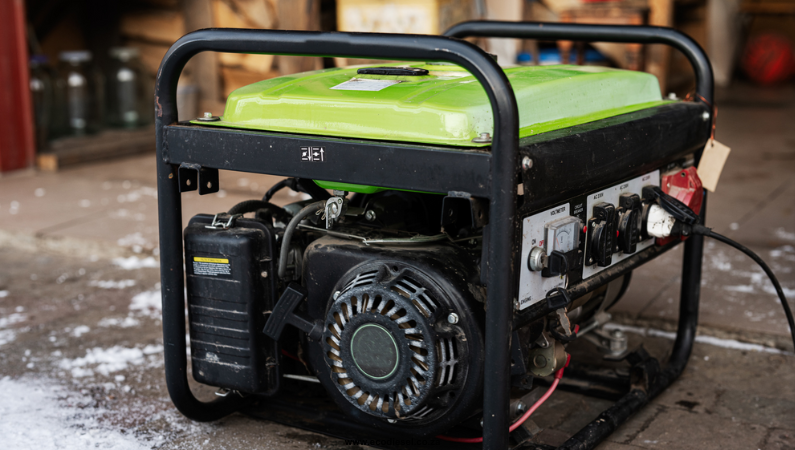
Ensure that your diesel-powered equipment is supported by reliable backup generators. This provides an uninterrupted power source during load shedding, keeping critical operations running smoothly.
Regular Equipment Maintenance
Routine maintenance, including cleaning fuel filters and checking the engine, ensures that your diesel equipment operates efficiently during power outages. Inconsistent power supply can strain engines, so proper care is essential.
Use High-Quality Diesel
Using top-quality diesel fuel helps prevent clogging and reduces wear on engine parts, especially during power surges or restarts after load shedding.
At Eco Diesel, we provide premium fuel solutions that help protect your equipment and keep your operations running smoothly, even during power disruptions.