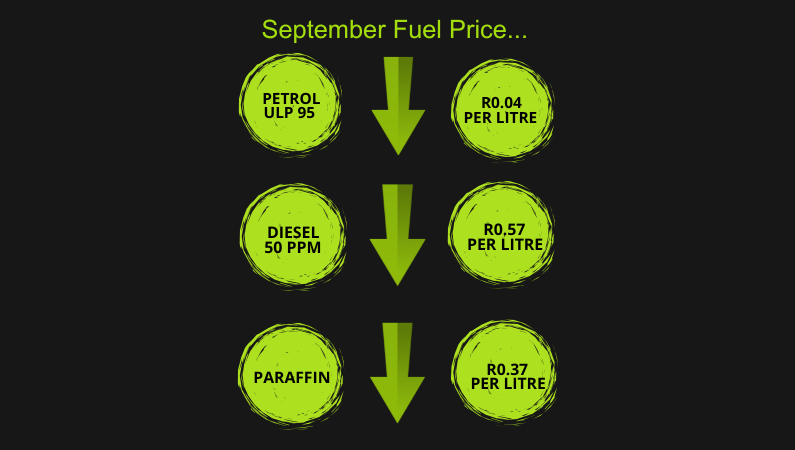
As we step into a new month, I want to take a moment to reflect on the shifting fuel landscape that affects every South African household and business. August brought a mixed outcome: petrol prices decreased by 28 cents, offering some relief, while diesel rose by as much as 65 cents — a change that impacts agriculture, logistics, and ultimately, the cost of living for us all.
At Eco Diesel, we know that this fuel price rollercoaster is more than just numbers on a board. It touches your business operations, your transport costs, and even the groceries on your family’s table. While economic pressures such as global oil volatility and tariff hikes add further uncertainty, there are also opportunities — such as the recent interest rate cut — that can help consumers and businesses manage debt and ease future strain.
Our promise to you remains steadfast: we are committed to delivering reliable, competitively priced fuel, and to supporting the industries and communities we proudly serve. Together, we can navigate these challenges and find ways to power ahead with resilience and determination.
The Hidden Costs of Poor Fuel Quality – Protecting Engines & Equipment
In the world of diesel-powered operations, fuel quality isn’t just a technical detail—it’s a critical factor that can make or break your business. At Eco Diesel, we understand that the hidden costs of poor fuel quality often go unnoticed until it’s too late. Here’s why partnering with a trusted bulk fuel supplier matters.
1. Engine Damage and Performance Issues
Contaminated diesel can wreak havoc on your engine. Water, microbial growth (often referred to as “diesel bug”), and particulates can clog fuel filters, damage injectors, and cause corrosion in fuel lines. This leads to poor engine performance, increased fuel consumption, and costly repairs.
2. Increased Maintenance and Repair Costs
The need for frequent repairs to injectors, fuel lines, and other engine components adds up quickly. These costs can be significant, especially when dealing with engine overhauls due to fuel-related damage.
3. Downtime and Operational Disruptions
Contaminated fuel can lead to unexpected breakdowns, causing significant downtime. This disrupts operations, delays projects, and affects your bottom line. For instance, in Ghaziabad, India, around 30 vehicles broke down after refueling at a station with adulterated diesel, leading to repair costs between ₹1 lakh and ₹3.5 lakh per vehicle.
4. Reduced Equipment Lifespan
Continuous exposure to poor-quality fuel accelerates wear and tear on engines and equipment. This not only shortens their lifespan but also increases the frequency of replacements, adding to long-term costs.
5. Environmental and Regulatory Risks
Contaminated fuel can lead to increased emissions and non-compliance with environmental regulations. This exposes your business to potential fines and reputational damage.
How Weather Impacts Fuel Efficiency: Tips for Managing Fuel Use in Extreme Temperatures
At Eco Diesel, we understand that weather conditions can significantly affect your fuel efficiency. Whether you’re operating in the heat of summer or the chill of winter, it’s crucial to adapt your fuel management practices to maintain optimal performance and minimize costs.
Cold Weather Challenges
In colder temperatures, diesel fuel can thicken or “gel” due to the solidification of paraffin waxes. This gelling can clog fuel filters and injectors, leading to engine performance issues or complete shutdowns. To combat this:
Use Anti-Gel Additives:
These additives lower the freezing point of wax crystals, preventing them from forming and blocking fuel flow.
Switch to Winterized Diesel:
Blends of #1 and #2 diesel are designed to resist gelling at lower temperatures.
Maintain Full Tanks:
Keeping your fuel tank full reduces condensation and water accumulation, which can freeze and obstruct fuel lines.
Hot Weather Considerations
High temperatures can also impact fuel efficiency. Hot air is less dense, requiring your engine to work harder to intake air, which can reduce fuel economy. Additionally, excessive heat can cause fuel to degrade, leading to the formation of deposits that clog fuel filters and injectors. To mitigate these effects:
Regular Maintenance:
Ensure your engine’s cooling system is functioning properly to prevent overheating.
Monitor Fuel Quality:
Use additives that stabilize fuel and prevent the formation of harmful deposits.
Tech in Fuel Distribution: Innovations in IoT, Smart Tanks, and AI
At Eco Diesel, we’re committed to staying ahead of the curve in fuel distribution technology. Innovations like Internet of Things (IoT) sensors, smart tanks, and Artificial Intelligence (AI) are revolutionizing how fuel is managed, delivered, and optimized.
IoT Sensors: Real-Time Monitoring
IoT sensors are embedded in fuel storage tanks, providing real-time data on fuel levels, temperature, and quality. This continuous monitoring allows for proactive maintenance, reducing the risk of fuel shortages or contamination. For instance, companies like Bongo IoT utilize these sensors to streamline the supply chain, offering insights into fuel consumption and inventory levels .
Smart Tanks: Automated Fuel Management
Smart tanks equipped with IoT-enabled sensors can predict refilling needs and automatically trigger deliveries when fuel levels reach predetermined thresholds. This automation enhances inventory management, ensuring timely fuel supply and reducing the risk of operational disruptions .
AI: Predictive Analytics for Optimization
Artificial Intelligence plays a pivotal role in analyzing data from IoT sensors to forecast fuel demand, optimize delivery routes, and predict equipment maintenance needs. By leveraging AI, fuel distributors can enhance safety, reduce costs, and improve overall efficiency .
At Eco Diesel, we embrace these technological advancements to provide our clients with efficient, reliable, and cost-effective fuel distribution solutions. By integrating IoT, smart tanks, and AI, we ensure that your fuel needs are met promptly and efficiently.
Why Partnering with a Trusted Bulk Fuel Supplier Matters
Risk Management Insights for Smarter Operations
In today’s unpredictable business environment, partnering with a trusted bulk fuel supplier like Eco Diesel can be a powerful safeguard for your operations. Here’s why this collaboration is essential—from minimising risk to maximising reliability.
1. Safeguarding Supply & Avoiding Downtime
Fuel shortages or delivery delays can halt operations—often with steep costs. For example, logistics firms, farms, and construction sites lose thousands of rands per hour when supply fails. Eco Diesel’s network of strategically located depots (Johannesburg, Durban, East London, and more) ensures fast, dependable deliveries across key regions. With lead times as quick as 6 to 24 hours and real-time updates, you can avoid costly interruptions and maintain productivity.
2. Quality Assurance & Regulatory Compliance
Fuel integrity is non-negotiable. Eco Diesel runs every truckload through its in-house lab for rigorous quality testing and issues lab reports with each delivery—giving you both transparency and confidence. This level of control helps protect your engines, avoid failures, and comply with environmental regulations—a critical consideration for operations of all sizes.
3. Optimised Risk Management & Cost Control
Eco Diesel’s fuel consultancy services assess your monthly fuel usage and strategise efficient procurement. This approach closely aligns with standard risk-management cycles—from assessing exposure to executing mitigation strategies (like advanced planning and bulk buys)—helping you shield your operations from price volatility.
4. Fuel Monitoring & Protection from Loss
Smart tank management is vital. Eco Diesel’s “On-The-Road” fuel-management system (coming soon) allows real-time tracking of fuel use and vehicle mileage. Together with secure storage, this helps prevent losses from theft, spoilage, or mismanagement.