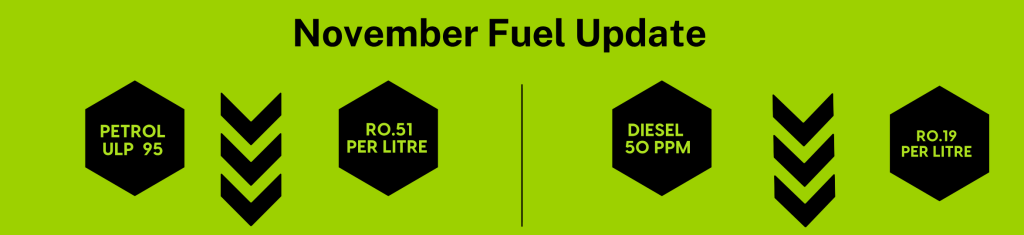

As we approach the final quarter of 2024, we are excited to share some positive news regarding fuel prices. According to the latest forecasts, both petrol and diesel prices are set for significant reductions at the start of October. We may see these prices drop to levels last witnessed in early 2022, before the global disruptions caused by the Ukraine crisis.
The Central Energy Fund’s (CEF) current estimates suggest that the price of 95 unleaded petrol could decrease by R1.26 per litre, while diesel prices may see a reduction of around R1.10 per litre. Should these projections hold, diesel prices in Gauteng could fall to approximately R18.50 per litre and R17.70 along the coast.
These anticipated price cuts can be attributed to several factors, including decreased demand for crude oil from major economies like the U.S. and China, as well as strong oil output from non-OPEC members. Additionally, the South African Rand has strengthened, contributing to the more favourable pricing outlook.
At Eco Diesel, we are committed to delivering the best possible service and ensuring that our customers benefit from these market trends. We remain optimistic that these fuel price reductions will provide much-needed relief for businesses and consumers alike.
We will keep you updated as the final prices are confirmed towards the end of September.
Fuel Smarter, Save Bigger: Essential Tips for Year-End Efficiency
As we enter the final quarter of the year, managing fuel costs becomes even more crucial for your business. At Eco Diesel, we’re committed to helping you save. Here are six practical tips to reduce fuel expenses while maintaining efficiency.
- Optimize Your Routes: Efficient delivery routes can significantly cut mileage and fuel consumption. Using route planning tools, you’ll reduce travel time and operational costs.
- Embrace Technology: Leverage fleet management software to monitor fuel usage and vehicle performance. Identifying inefficiencies early will help you make necessary adjustments for better fuel economy.
- Maintain Vehicles Regularly: Well-maintained vehicles run more efficiently, lowering fuel consumption. Scheduled maintenance also helps avoid costly breakdowns.
- Promote Eco-Friendly Driving: Encourage drivers to adopt fuel-saving habits such as smooth acceleration, maintaining consistent speeds, and minimizing idling. Small changes can make a big difference.
- Fuel Purchasing Strategies: Buy fuel in bulk when prices are lower and consider long-term supply contracts to lock in stable pricing. These strategies can mitigate price volatility and help you better manage your budget.
- Partner with Eco Diesel for Bulk Discounts: As your trusted supplier, Eco Diesel offers flexible pricing and tailored solutions to meet your fuel needs, especially in volatile markets.
Together, we can navigate fuel price fluctuations while keeping your operations running smoothly and efficiently. Reach out to Eco Diesel today for a customised fuel solution!
Navigating South Africa’s ‘Gas Cliff’: Solutions for Industrial Continuity
South Africa is on the brink of a gas supply crisis, known as the looming “gas cliff,” which threatens to disrupt industries in Mpumalanga, Gauteng, and KwaZulu-Natal. This crisis is driven by dwindling supplies from the Pande-Temane gas fields in Mozambique, which have long powered South Africa’s gas-reliant industries.
Industries like steel, automotive, food, and paper manufacturing, which depend on natural gas, could face shutdowns if this issue isn’t addressed. With Sasol’s announcement to stop supplying gas to traders and industries by June 2026, approximately 60,000 direct jobs are at risk. This potential disruption would severely impact the economy, raising costs for alternative fuels and driving consumer prices higher.
However, there are solutions. Efforts to import liquefied natural gas (LNG) from Mozambique and Richards Bay are underway. These LNG projects aim to ensure a continuous gas supply and protect South Africa’s industrial competitiveness. Aggregating demand among industrial gas users is crucial for these projects to be economically viable.
Government and industry stakeholders must collaborate to fast-track these initiatives. Without swift action, the looming gas cliff could significantly destabilize the economy and disrupt vital sectors. By supporting LNG projects and diversifying supply sources, South Africa can mitigate this crisis and maintain industrial continuity.
Fiasa: A New Name for a Changing Fuels Industry
The South African Petroleum Industry Association (Sapia) has officially rebranded to the Fuels Industry Association of South Africa (Fiasa). This change marks a significant shift in the industry, reflecting a broader vision for sustainable energy and future mobility solutions.
Fiasa’s new name and mission are driven by the need for cleaner, low-carbon fuels and the transition toward South Africa’s 2050 net-zero objective. As Executive Director Avhapfani Tshifularo states, “We aim to be architects of a sustainable energy future, inclusive of all fuel types, not just petroleum.”
This rebranding comes as part of Fiasa’s commitment to advancing clean energy initiatives that improve air quality and reduce greenhouse gas emissions. With the Clean Fuels Programme set to launch in 2027, Fiasa will advocate for the integration of biofuels, sustainable aviation fuels, and electrification of transport.
As we navigate these exciting industry changes, we assure you that our dedication to providing reliable, high-quality fuel remains unwavering. Fiasa represents a future-focused approach, and we are proud to be part of this energy transformation alongside our valued partners and customers.
Keep Your Cool: A Driver’s Guide to Preventing Engine Overheating
When your driver spots liquid leaking from the engine, it’s crucial to act quickly. Suspected coolant leaks can lead to serious issues like engine overheating, increased emissions, and corrosion. Here’s how to manage coolant leaks and prevent overheating in your fleet:
Identifying Coolant Leaks:
- Check service information: Different coolants come in various colors, so don’t rely on just the appearance.
- Inspect thoroughly: Don’t limit the inspection to just the engine and radiator. Coolant can leak internally, even showing up in the heater or DEF tank.
- Common sources: Radiator caps, hose clamps, and water pump seals are the most frequent culprits.
Key Steps to Prevent Overheating:
- Perform pressure tests: Using a cooling system pressure test kit can reveal leaks and faulty radiator caps.
- Use dye kits: These can help identify both external and internal leaks by causing leaks to fluoresce under UV light.
- Routine maintenance: Regularly check fluid levels, tighten clamps, and inspect hoses to prevent potential leaks.
Coolant Leak Diagnosis:
- Oil analysis: Test for sodium, potassium, and glycol in your oil to spot coolant contamination early.
- Blotter tests: If oil appears thick, it could be contaminated by coolant.
Proactive maintenance and quick leak detection are essential to keeping your fleet running smoothly and preventing costly engine repairs. Make sure your team knows what to look for and how to act fast when signs of a coolant leak appear.