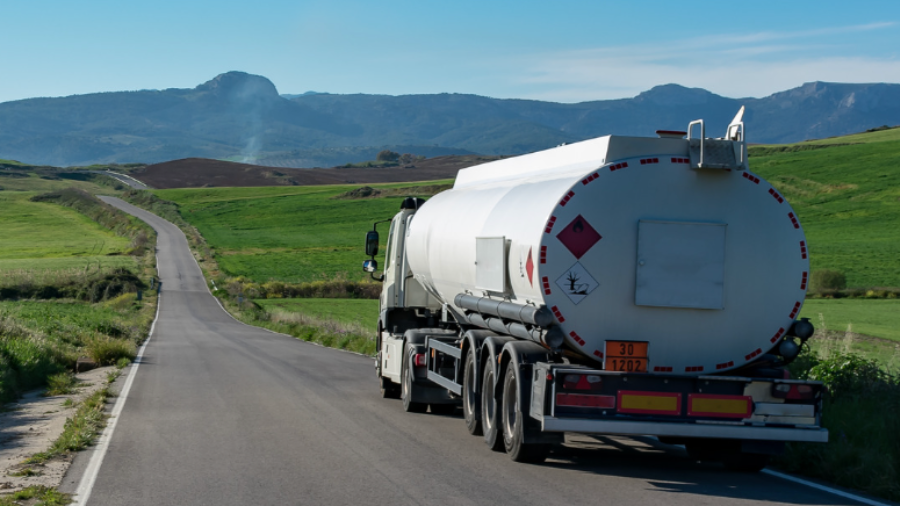
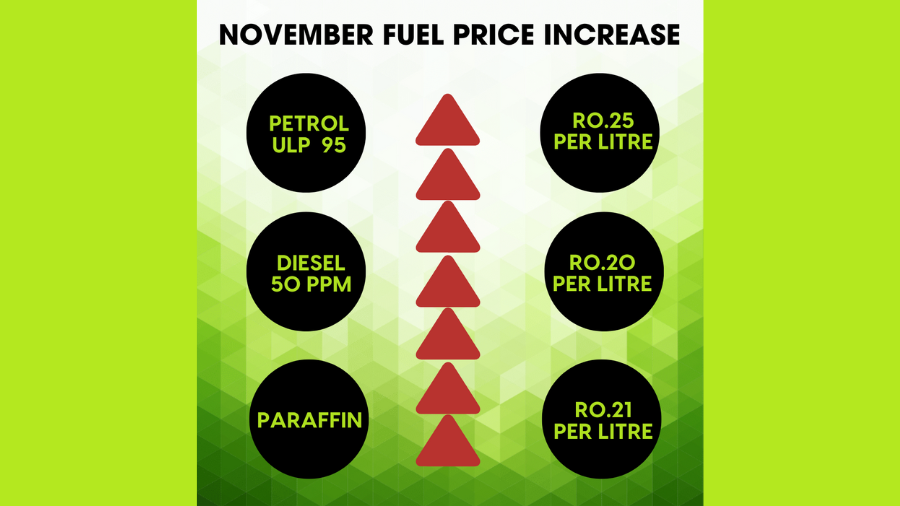
In our November newsletter, Eco Diesel examines the recent shift in South Africa’s fuel prices after an unusual six-month period of stability. After six months of stability, fuel prices in South Africa are on the rise again, marking a significant shift in the energy landscape. The Department of Mineral Resources and Energy has announced an increase—25 cents per litre for petrol and 20–21 cents per litre for diesel—effective Wednesday, 6 November 2024. This adjustment, though modest, points to evolving global and local market dynamics that affect both consumers and businesses alike.
At Eco Diesel, we understand that fuel costs play a crucial role in your operations. Our commitment to transparency and reliable service remains unwavering, especially in times of change. As Henry van der Merwe, Chairman of SAPRA, emphasizes, these price fluctuations are an inherent part of the industry, challenging us all to stay resilient. Eco Diesel is here to keep you informed, equipped, and ready to adapt in today’s dynamic energy market.

Push for Massive Fuel Tax Hike to Curb Diesel Adulteration
The Fuels Industry Association of South Africa is advocating for a substantial tax increase on illuminating paraffin to align it with diesel. This proposal aims to eliminate diesel adulteration—a long-standing issue costing the industry about R3 billion annually. Diesel adulteration, where paraffin is illegally blended with diesel, creates “dirty diesel” that damages engines and fails to meet regulatory standards. The practice is driven by the significantly lower taxes on paraffin, making it an attractive option for unscrupulous businesses seeking quick profit.
Currently, paraffin is taxed at R2.46 per litre, while diesel bears R8.34 in taxes and levies. The association’s proposal to raise paraffin taxes would more than triple these duties, reducing the incentive for illegal blending. However, to protect low-income households relying on paraffin, the association suggests channelling some of the revenue from the tax increase back to vulnerable communities through social grants.
This move not only targets economic losses from adulteration but also ensures fuel quality, aligning with national regulatory standards. As SARS ramps up its investigations into diesel adulteration, industry leaders see this tax adjustment as an essential step towards a fairer and safer fuel market.
Navigating the Fuel Crisis: The Implications of South Africa’s Strategic Oil Reserve Sales
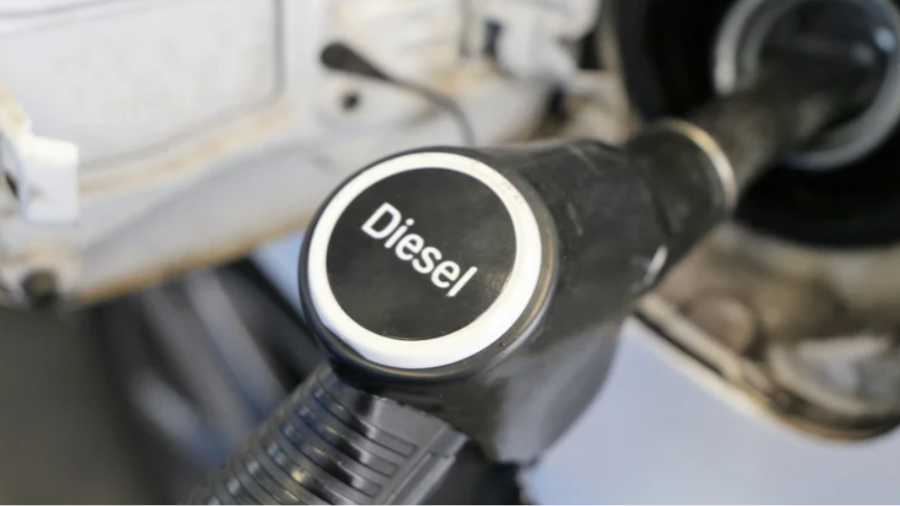
South Africa’s decision to sell off strategic oil reserves to fund the 2022 fuel levy cut has ignited concerns about long-term energy security. While the temporary reduction in fuel levies aimed to alleviate rising costs for consumers, depleting these emergency reserves poses risks. Strategic oil reserves are essential for protecting against global supply disruptions, and their depletion may leave South Africa vulnerable in future crises.
The global oil market’s volatility highlights the dangers of this approach. Experts argue for a more sustainable energy strategy that balances immediate consumer relief with national energy security. Transitioning to renewable energy sources, enhancing efficiency, and diversifying supply are crucial for reducing dependence on fossil fuels.
Moreover, public engagement and transparency are vital for rebuilding trust in government energy policies. Clear communication regarding the implications of selling strategic reserves will foster a more informed consumer base.
Ultimately, as South Africa navigates its current fuel crisis, policymakers must adopt a holistic approach to energy management, ensuring both present relief and a secure, sustainable energy future for the nation. By investing in renewable energy and improving efficiency, South Africa can safeguard its economic stability while protecting its citizens.
Fuel Storage Safety and Compliance: Best Practices for Onsite Storage
As a leading bulk fuel supplier, Eco Diesel prioritizes safety and compliance in fuel storage practices. Proper storage is crucial to prevent contamination, leaks, and accidents, ensuring the safety of both personnel and the environment. Here are essential best practices to follow:
- Use Approved Storage Tanks: Ensure that all tanks meet industry standards and are suitable for the type of fuel being stored.
- Conduct Regular Inspections: Check tanks for signs of corrosion or damage. Routine maintenance is critical for early detection of potential issues.
- Implement Secondary Containment: Utilize bund walls or double-walled tanks to contain any potential spills and prevent leakage into the environment.
- Secure Storage Areas: Clearly mark storage areas and restrict unauthorized access to minimize the risk of accidents or tampering.
- Train Staff: Provide thorough training on proper handling procedures, emergency response plans, and the importance of safety protocols.
- Maintain Accurate Records: Keep detailed records of fuel quantities, storage conditions, and maintenance activities to monitor risks effectively.
By adhering to these best practices and regulatory guidelines, you can create a safer fuel storage environment, minimizing risks and protecting both your operations and the surrounding community. Eco Diesel is here to support you in implementing these vital safety measures.
Future-Proofing Fleets: Enhancing Longevity and Efficiency with Technology
In today’s fast-paced market, optimising fleet performance is essential for staying competitive. Integrating predictive maintenance and fleet management technologies can transform vehicle longevity and fuel efficiency.
- Predictive Maintenance
- Utilises data analytics and real-time monitoring to anticipate mechanical issues.
- Allows fleet managers to schedule repairs proactively, reducing costly breakdowns.
- Helps extend vehicle lifespan by addressing issues before they escalate.
- Advanced Fleet Management Technology
- Provides insights into fuel consumption, enabling efficient route planning.
- Assesses driver behavior to improve fuel efficiency and reduce environmental impact.
- Supports data-driven decision-making for cost-effective operations.
- Eco Diesel’s Commitment
- We empower customers to adopt these cutting-edge solutions for streamlined operations.
- Promoting sustainable, reliable fleet management for long-term success.
By adopting these technologies, businesses can reduce downtime, lower costs, and contribute to a greener future.