

Dear Valued Clients,
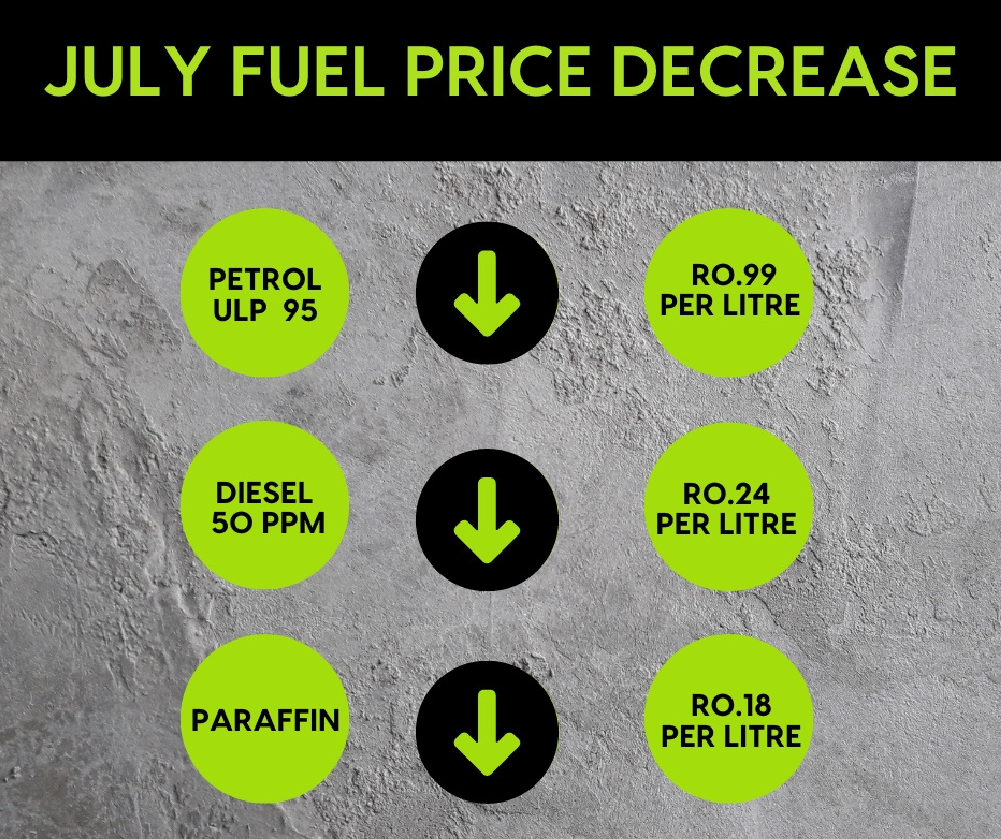
As we approach July, we are pleased to share the latest insights into the upcoming adjustments in our country’s fuel prices. Recent developments indicate a promising reduction in petrol prices, with expectations of significant cuts following a strong over-recovery in the last days of June. According to the Central Energy Fund (CEF), petrol prices are showing an over-recovery ranging between R1.01 and R1.07 per litre, with diesel also benefiting from a smaller over-recovery of 27-33 cents per litre.
This positive trend has been sustained throughout the month, largely driven by a stronger rand and favourable global oil prices. Despite recent geopolitical tensions affecting global oil markets, prices have remained stable, providing a solid foundation for lower local fuel prices in the coming week.
The Department of Mineral Resources and Energy will officially announce these adjustments for July before they take effect on Wednesday, 3 July 2024. As your trusted partner, Eco Diesel Bulk Fuel Suppliers remains committed to keeping you informed and prepared for these changes. We continue to monitor market dynamics closely to ensure minimal disruption to your operations.
Thank you for your continued trust and partnership. Together, we look forward to navigating these fluctuations and achieving mutual success in the months ahead.
The True Price at the Pump
South Africa heavily relies on imported fuels to meet local demand and mitigate price surges. In 2022, the country spent US$4.34 billion (approximately R71.05 billion) on crude petroleum imports, ranking it as the 34th largest fuel importer globally. This reliance on imports has been exacerbated by the closure of several refineries, leading to a negative petroleum trade balance of US$4.23 billion (R69.25 billion).
The top five countries from which South Africa imported fuel in 2022 were Nigeria (R35.36 billion), Saudi Arabia (R25.21 billion), Angola (R6.24 billion), Ghana (R1.77 billion), and the Republic of the Congo (R1.77 billion). Conversely, South Africa only managed to export US$108 million (R1.77 billion) worth of locally produced petroleum.
The real cost of petrol in South Africa extends beyond the Basic Fuel Price (BFP), which reflects the price paid to foreign suppliers plus transportation and insurance costs. In June, the BFP for petrol 93 was R12.76 per litre, petrol 95 was R13.10 per litre, diesel 0.05% was R12.59 per litre, and diesel 0.005% was R12.77 per litre. These prices constituted only 53-63% of the final retail prices.
Additional costs, including secondary storage and distribution, wholesale and dealer margins, and taxes and levies, contribute significantly to the final price. For instance, secondary storage and distribution costs added 36.6c/litre and 17.2c/litre, respectively. Wholesale margins were 69.8c/litre for petrol and 89.61c/litre for diesel. Retail margins, applied only to petrol, stood at R2.86/litre. Taxes and levies, including the general fuel levy, Road Accident Fund levy, and others, added R6.23/litre to petrol and R6.12/litre to diesel.
Ultimately, these combined costs result in the pump prices that consumers pay when refuelling their vehicles.

Maximising Fuel Efficiency: Tips for Fleet Operations
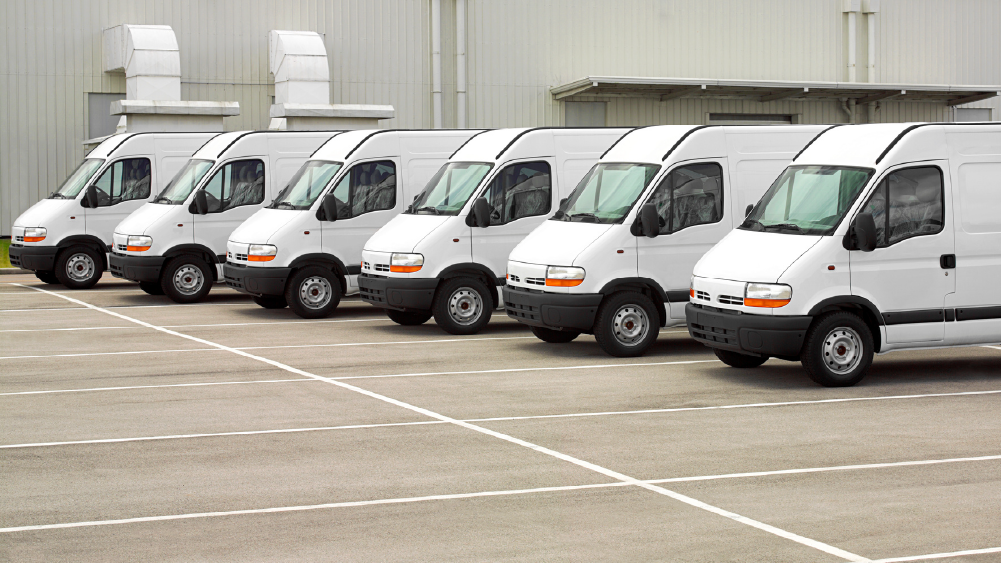
Fleet managers face the constant challenge of optimising fuel efficiency while maintaining operational effectiveness. Here are key strategies to enhance fuel efficiency:
- Regular Maintenance: Ensure vehicles are properly maintained with regular tune-ups, tire rotations, and oil changes to keep engines running smoothly and minimize fuel consumption.
- Driver Training: Provide comprehensive training programs to educate drivers on fuel-efficient driving techniques such as smooth acceleration, maintaining steady speeds, and avoiding excessive idling.
- Route Optimization: Utilize GPS and routing software to plan efficient routes, minimize idle time, and reduce unnecessary mileage.
- Vehicle Telematics: Implement telematics systems to monitor fuel usage, vehicle performance, and driver behaviour in real-time, enabling proactive adjustments to improve efficiency.
- Fuel Management Software: Invest in fuel management software to track fuel purchases, analyse consumption patterns, and identify areas for improvement.
By integrating these fuel efficiency tips into fleet operations, businesses can reduce fuel costs, lower carbon emissions, and improve overall operational efficiency. With a proactive approach to fuel management, fleets can achieve significant cost savings and environmental benefits.

Navigating Oil Viscosity: Engine Protection Made Simple
Engine oils play a crucial role in maintaining vehicle performance and longevity, with viscosity being a key consideration. Viscosity, or the oil’s resistance to flow, directly impacts engine protection and efficiency.
The Society of Automotive Engineers (SAE) assigns viscosity grades to oils, indicating their flow characteristics at different temperatures. For instance, SAE 5W-30 signifies a thinner oil (5) that flows well at cold temperatures (W), and maintains a specific viscosity (30) at high temperatures.
Choosing the correct viscosity grade involves considering your vehicle’s operating conditions. Cold climates benefit from lower winter grades like 0W-20, while hotter environments require higher viscosities such as 15W-40. Referencing your vehicle’s owner’s manual is crucial, as it specifies optimal oil viscosities based on ambient temperatures.
Understanding viscosity index (VI) further guides selection, indicating how viscosity changes with temperature. A higher VI ensures stable viscosity across a wide temperature range, crucial for engine protection.
Selecting the right oil viscosity ensures optimal engine lubrication and performance, enhancing overall vehicle reliability and efficiency.
Fuelling Change: Challenges Ahead for South Africa’s Coalition Government in Energy Reform
As South Africa’s coalition government takes charge with the African National Congress (ANC) winning less than 50 percent of the vote, the spotlight is on revitalizing the nation’s energy sector. Persistent blackouts due to reliance on coal have crippled economic growth, highlighting the urgent need for reliable energy sources. While renewables like wind and solar are on the rise, their intermittent nature and higher costs compared to coal pose significant challenges.
The coalition faces the critical task of balancing economic revival with sustainable energy policies. Leveraging domestic coal and exploring natural gas resources from the Karoo region are crucial steps towards ensuring energy security. These efforts are essential for reviving key sectors like manufacturing and reducing unemployment rates, pivotal in restoring South Africa’s economic prosperity. As the government navigates these complexities, its ability to implement effective energy reforms will shape the country’s path towards stability and growth.