

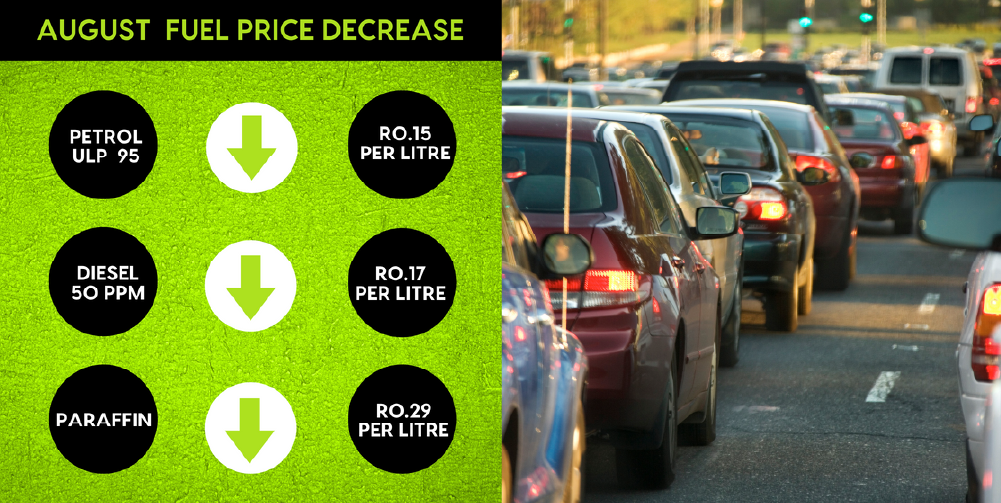
As we enter August, we’re pleased to bring you some positive news regarding fuel prices. This month, you can expect to see continued relief at the pumps thanks to recent favourable trends in global oil markets and improvements in the Rand/Dollar exchange rate.
Thanks to a drop in global oil prices to just over $82 a barrel and a strengthening Rand, which has improved to R18.26 against the Dollar, you can expect some continued savings. These positive developments are a result of stable global oil markets and a more favourable Rand/Dollar exchange rate.
We understand the impact fuel costs have on your business and daily life, and we are committed to keeping you informed about the latest developments that affect your fuel expenses.

As temperatures drop, diesel gelling becomes a critical issue for industries relying on diesel fuel. Gelling occurs when diesel solidifies due to wax crystal formation, causing cold start problems and fuel system blockages. To mitigate these risks, follow these guidelines:
- Understanding Diesel Gelling: Diesel thickens and clogs filters when wax crystals form in cold weather.
- Winter Grade Diesel: Use winter-grade diesel with additives to prevent gelling. In South Africa, switch to winter-grade diesel from April 1 to September 30.
- Storage and Management: Install tanks underground or in sheltered areas to maintain stable temperatures. Deplete summer-grade diesel before introducing winter-grade and keep tanks full to minimize contamination.
- Vehicle Care: Park in sheltered areas and keep tanks full. Refuel in the cold region where vehicles will operate and avoid extreme cold starts.
TotalEnergies Pulls the Plug on Brulpadda and Luiperd: A Challenging Farewell
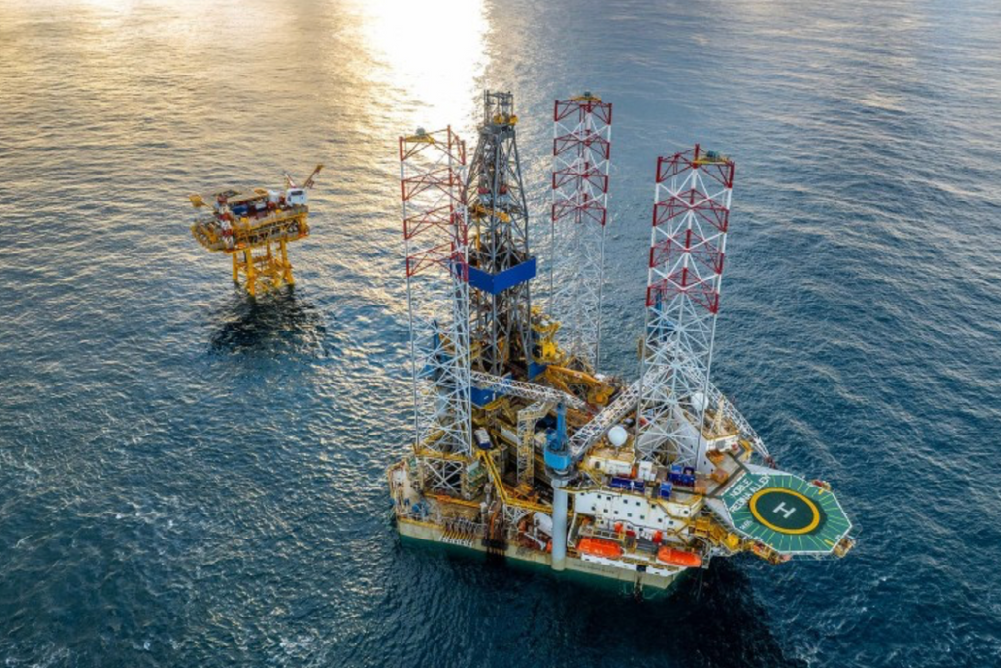
In a notable shift for South Africa’s energy landscape, TotalEnergies has announced its exit from the Brulpadda and Luiperd gas fields off the southern coast. With a 45% stake in Block 11B/12B since 2013, TotalEnergies discovered these significant reserves but now describes them as “too challenging” to develop economically. This decision follows a previous withdrawal by CNRI, TotalEnergies’ partner in the project.
Additionally, TotalEnergies is set to exit offshore exploration Block 5/6/7, where it holds a 40% interest. Despite these moves, the company retains exploration rights in other promising South African blocks, including the Deep Water Orange Basin and Outeniqua South.
The Department of Mineral Resources and Energy (DMRE) acknowledges TotalEnergies’ decision but remains optimistic about attracting new investors. The DMRE emphasizes its ongoing commitment to the development of the country’s oil and gas resources, underscoring the sector’s resilience and potential.
Fuel Tax Reforms Stalled: A Worrying Trend for South African Motorists
The promised overhaul of South Africa’s fuel pricing system remains stalled, much to the dismay of the Motor Industry Staff Association (MISA). Despite President Cyril Ramaphosa’s assurances during his recent Parliament address, progress has been slow since the Department of Mineral Resources and Energy (DMRE) initiated the review process over two years ago.
In 2022, petrol prices soared above R20 per litre, peaking at R26.74 in July. Finance Minister Enoch Godongwana proposed removing the General Fuel Levy (GFL) to alleviate the financial strain, but this move, estimated to cost the government R90 billion, was deemed unfeasible within a single financial year.
The government’s alternative plan involves compensating this loss with increased vehicle license fees. Meanwhile, some industry stakeholders criticize proposed changes to industry margins as insufficient, given these margins account for less than 10% of the total fuel price. They argue that focusing on excessive taxes and levies, which constitute about 30% of fuel prices, would be more effective.
MISA CEO Martlé Keyter voices concern over delays exacerbated by the new Government of National Unity’s restructuring, urging for urgent action to address high fuel taxes and find sustainable solutions.
Sapia Rebrands as Fiasa to Embrace Sustainable Fuel Future
The South African Petroleum Industry Association (Sapia) has officially rebranded to the Fuels Industry Association of South Africa (Fiasa), signaling a major shift towards a sustainable and diversified energy future. This change aligns with a broader vision of integrating various energy sources and supporting South Africa’s transition to a low-carbon economy.
Fiasa’s Executive Director, Avhapfani Tshifularo, announced the rebranding, emphasizing the association’s new focus. “This evolution represents our commitment to expanding our role across different types of energy mobility, both current and future,” Tshifularo stated. The name change reflects an ambition to be at the forefront of sustainable energy solutions and to influence the energy landscape in South Africa.
The rebranding is a strategic response to the pressing need to improve air quality and reduce greenhouse-gas emissions, while also supporting South Africa’s 2050 net-zero goal. Fiasa’s scope will extend beyond petroleum to encompass all types of transport energy sources, including biofuels and sustainable aviation fuels.
“As we look ahead, our goal is to drive the energy transition, reduce reliance on fossil fuels, and contribute to a cleaner, more sustainable future for the industry,” Tshifularo concluded.