
As we enter August 2025, South Africa’s fuel industry continues to evolve amid global price fluctuations, regulatory shifts, and the steady rise of electric vehicles. Despite these changes, fuel remains the backbone of our economy—powering transport, agriculture, logistics, and manufacturing. This month, analysts predict slight volatility in crude oil prices due to international supply constraints and local refinery capacity pressures. Now more than ever, strategic fuel management is key.
At present, the local fuel industry is grappling with a mix of challenges and opportunities. Ongoing strain at key refineries has heightened reliance on imported fuels, putting pressure on supply chains and pricing. Meanwhile, government efforts to promote cleaner energy and infrastructure upgrades have brought both regulatory complexity and new avenues for growth. Businesses that act fast, secure stable supply, and adapt to these shifting dynamics will be best positioned to thrive in this transitional landscape.
At Eco Diesel, we’re here to help you stay ahead. Our competitively priced, high-quality bulk fuel ensures your operations run without disruption. We offer fast, reliable delivery across the country, expert advice on fuel storage and compliance, and flexible solutions tailored to your business.
To stay competitive in a changing market, we encourage customers to forecast their fuel needs, invest in secure on-site storage, and build strong relationships with trusted suppliers like us.
As we celebrate Women’s Month, we also take a moment to honor the remarkable women driving change across our industry, our communities, and our company. Your strength, leadership, and contribution inspire us all.
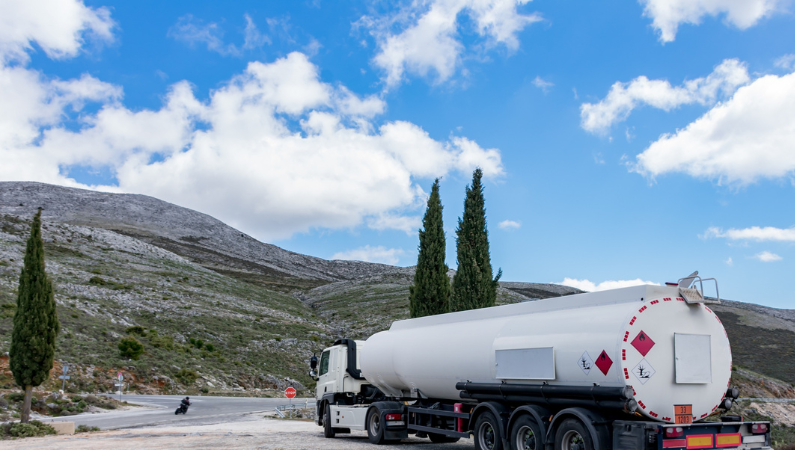
Sasol Surges Ahead: What It Means for Bulk Fuel Buyers
Despite turbulence at its Natref refinery, Sasol has projected a robust 20% surge in earnings per share for the 2025 financial year—proof that resilience and smart strategy still drive results in a volatile energy landscape.
The Natref refinery, co-owned by Prax South Africa, faces uncertainty after PraxSA’s parent company, State Oil Limited, entered administration in June. Yet Sasol reassures the market: Natref is stable and operating to plan.
Unplanned disruptions did dent production volumes, but strong local demand for liquid fuel and gas helped cushion the impact. Sasol’s Chemicals Africa division also benefited from better pricing, while international chemical sales—especially in the US—held steady under pressure.
Sasol continues to emphasise cost control, liquidity, and risk management. Notably, its bold sustainability agenda includes 920 MW of renewable energy agreements in South Africa and 93 MW in the US, reinforcing a shift toward greener energy solutions.
For South African businesses, Sasol’s results offer a crucial reminder: agility, forward planning, and reliable fuel partnerships matter more than ever in today’s evolving energy landscape.
Partner with Eco Diesel to keep your operations moving—reliably, efficiently, and strategically.
Alarm Bells for Diesel Users: Tackling South Africa’s Contaminated Fuel Crisis
South Africa’s diesel market is under serious threat from contaminated fuel, with illicit syndicates costing the country an estimated R3.6 billion annually. Illegal operators blend diesel with tax-free paraffin, often removing tracer dyes, creating a cheaper but harmful product that damages engines and machinery—and undermines government revenue.
These unscrupulous practices pose huge risks to commercial, agricultural, and transport sectors. Reports show some adulterated fuel contains up to 68% paraffin, leading to costly repairs, downtime, and operational headaches for unsuspecting customers.
Fortunately, SARS and law enforcement are intensifying crackdowns, seizing nearly a million litres of tainted fuel and assets worth over R367 million in recent raids. This demonstrates the seriousness of the problem and the government’s commitment to stopping it.
How can you protect your business?
- Always purchase diesel from reputable, established suppliers connected to major brands
- Avoid suspiciously low prices that seem too good to be true
- Monitor your engines for unusual performance issues or damage signs
- Report any dubious fuel vendors or pricing irregularities to authorities or trusted suppliers
- Implement regular fuel quality testing where feasible
At Eco Diesel, fuel quality and integrity are non-negotiable. Our bulk diesel is rigorously tested to keep your operations running efficiently—no shortcuts, no surprises.
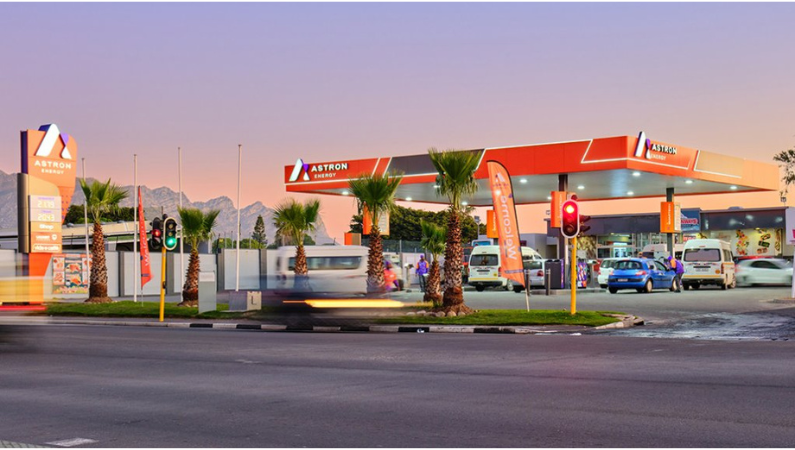
Fuel Giants Rising: Astron Energy’s Bold Takeover of SA’s Forecourts
Astron Energy, backed by Glencore and billionaire Ivan Glasenberg, is making bold moves across South Africa’s fuel landscape—reshaping the industry and challenging long-standing giants like BP and TotalEnergies.
Since acquiring Chevron’s Southern African assets in 2017 for $1 billion, Glencore has invested heavily in modernising Astron’s operations. At the heart of this strategy is the Cape Town-based refinery, now running at full capacity and producing up to 100,000 barrels of fuel per day. This single refinery is not just powering cars—it’s driving economic growth, supporting over 450 jobs and injecting an estimated R95 billion into South Africa’s economy.
Astron’s rebrand of over 800 Caltex stations is well underway, with 500 sites already transformed. This retail overhaul is more than cosmetic—it’s a strategic repositioning to create modern, high-service fuel stops while uplifting local businesses. Through its supplier development initiative, over 30 small businesses have played a role in the rebranding effort.
Both Glencore’s past and current CEOs—Ivan Glasenberg and Gary Nagle—have deep South African roots. Their commitment to South Africa is evident not just in words, but in action: investing in infrastructure, supporting job creation, and strengthening the country’s energy independence.
As Astron Energy expands, it signals a clear message—South Africa’s fuel industry is evolving fast.
Stay ahead of the curve. Partner with Eco Diesel for stable supply, market insights, and a team that understands the changing fuel terrain.
Jet Fuel Supply Jitters: What It Means for South Africa’s Fuel Chain
South Africa is once again facing the possibility of a jet fuel supply crunch, with scheduled maintenance at the Natref refinery and outdated import regulations creating a perfect storm for major airports like OR Tambo International.
The Natref shutdown between August and September—combined with strict customs laws under the 1964 Customs and Excise Act—could restrict jet fuel imports when flexibility is most needed. With only two operational refineries in the country, reliance on outdated infrastructure raises the risk of bottlenecks.
Airlines are already feeling the pressure. Without fuel guarantees on arrival, international carriers may be forced to tanker extra fuel or land elsewhere—both costly options that disrupt operations. Industry players like Fiasa and Barsa are calling for urgent interim regulatory fixes to safeguard supply during this critical period. At Eco Diesel, we’re closely monitoring the situation. As a trusted bulk fuel supplier, we’re committed to helping our clients navigate supply risks with confidence. Whether you’re in aviation, logistics, or agriculture—planning ahead is crucial.
Fuel Stations of the Future: Charging Ahead in South Africa
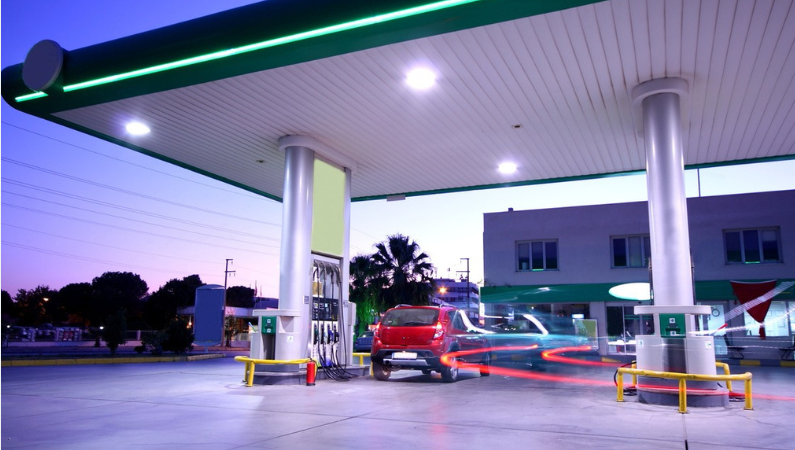
As South Africa embraces the electric vehicle (EV) revolution, traditional fuel stations are gearing up for a bold transformation. With over 120 NEV (New Energy Vehicle) charging points planned nationwide, many will be incorporated into existing forecourts—ushering in a new era of hybrid energy hubs.
These future-forward stations won’t just pump fuel—they’ll provide solar and grid-powered EV charging, turning long charge times into opportunities. Think co-working spaces, retail convenience, laundromats, and even wellness areas. The goal? Offer more value while your EV charges.
Fuel sales are expected to plummet from 90% of station revenue to just 20%, forcing suppliers and station owners to pivot or fall behind. The writing is on the wall: diversification is no longer a luxury—it’s a survival strategy.
Yet, the road to EV dominance is not without speed bumps. High upfront costs remain a barrier, but government incentives and lower running costs may soon tip the scale for consumers. At Eco Diesel, we’re powering today and preparing for tomorrow. We continue to supply reliable, high-quality bulk fuel to industries across South Africa—but we’re also keeping a sharp eye on evolving energy trends. Our mission? To ensure our clients are always a step ahead in a changing energy landscape.