


Winter Diesel Demand Surges: Why Planning Matters More Than Ever
Winter traditionally places increased pressure on South Africa’s diesel supply chain. As temperatures drop across the country, demand rises from multiple sectors simultaneously, creating heightened pressure on distribution networks.
Agriculture enters critical harvesting and transport periods, mining operations continue around the clock, and logistics companies face increased delivery schedules as businesses prepare for mid-year activity peaks.
Although June’s diesel price reductions provide welcome relief for businesses, successful fuel management extends beyond price alone. Supply security, delivery scheduling and inventory management become increasingly important during winter months.
Businesses that proactively plan fuel requirements often experience significant operational advantages.
Key winter fuel management considerations include:
• Reviewing on-site storage capacity
• Monitoring fuel consumption trends
• Scheduling deliveries before emergency requirements arise
• Ensuring equipment maintenance programmes are current
• Working with trusted fuel suppliers to improve forecasting
Unexpected fuel shortages can have a substantial impact on productivity. Delayed deliveries, equipment downtime and disrupted schedules can quickly outweigh any savings achieved through lower fuel prices.
Winter conditions can also place additional strain on engines and machinery. Reliable fuel quality and consistent supply become essential components of maintaining operational performance.
Forward-thinking businesses are increasingly adopting data-driven fuel management strategies, using consumption patterns and operational forecasts to improve purchasing decisions and reduce risk.
As economic conditions remain uncertain, organisations that manage fuel proactively are often better positioned to maintain profitability and operational stability. At Eco Diesel, we continue working closely with customers to ensure dependable fuel supply throughout the winter season. Our goal remains simple: helping businesses stay productive, efficient and ready for every challenge the South African winter may bring.
The Logistics Revival: How Improving Transport Networks Could Benefit South African Business
South Africa’s logistics sector remains one of the most important drivers of economic growth. Recent initiatives aimed at improving rail infrastructure, ports and freight efficiency are creating cautious optimism across the transport and fuel industries.
For many years, businesses have relied heavily on road transport due to constraints within rail and port systems. This has increased demand for commercial diesel while placing additional pressure on fleet operators and logistics providers.
Industry stakeholders are now watching developments within the broader logistics environment closely as investment and infrastructure improvement programmes continue to gain momentum. Efforts to modernise freight corridors and strengthen transportation networks could improve supply chain efficiency across numerous sectors.
Potential benefits include:
• Faster movement of goods across the country
• Reduced congestion at major transport hubs
• Improved supply chain reliability
• Enhanced export competitiveness
• Lower long-term logistics costs
For industries such as mining, agriculture and manufacturing, efficient transport infrastructure directly impacts profitability and productivity.
The fuel industry also plays a critical role in supporting these developments. Reliable fuel supply ensures that trucks, machinery and transport fleets continue operating effectively while larger infrastructure improvements take shape.
While transformation will not happen overnight, many industry analysts believe improvements in logistics efficiency could create positive ripple effects throughout the economy over the coming years.
Businesses that monitor these developments and align their operational planning accordingly may be better positioned to capitalise on future opportunities. As South Africa continues investing in economic growth and infrastructure renewal, the partnership between logistics providers, fuel suppliers and commercial operators will remain a key contributor to national competitiveness.

As we move into the heart of winter, South African businesses continue to navigate a rapidly changing operating environment. From fluctuating global oil markets and evolving supply chain dynamics to increasing pressure on operational costs, fuel remains one of the most critical factors influencing business performance.
The good news for many diesel users is that June has delivered welcome relief through lower diesel prices, providing much-needed support for industries such as transport, mining, agriculture, construction and manufacturing. While global geopolitical tensions continue to influence energy markets, South African businesses have once again demonstrated resilience and adaptability in managing these challenges.
At Eco Diesel, we understand that our role extends beyond simply supplying fuel. Our focus is on helping clients maintain continuity, control costs and operate efficiently regardless of market conditions. Through reliable deliveries, quality fuel products and a customer-first approach, we remain committed to supporting your business every step of the way.
As winter places additional demands on fleets, machinery and operations, now is the ideal time to review fuel management strategies and ensure your business is prepared for the months ahead.
Thank you for your continued support and partnership. We look forward to helping your business stay productive, profitable and fuelled for success throughout 2026.
Warm regards,
The Eco Diesel Team

June 2026 has delivered welcome news for diesel-dependent industries across South Africa. While petrol prices have increased, diesel users have benefited from significant reductions that provide immediate cost relief for many businesses.
The reduction comes at an important time for sectors heavily reliant on diesel-powered operations, including:
• Transport and logistics
• Mining • Agriculture
• Construction
• Manufacturing
• Industrial processing
For businesses operating large fleets or heavy equipment, fuel often represents one of the largest controllable operating expenses. Even modest changes in diesel pricing can have a substantial impact on monthly budgets.
Several factors contributed to June’s diesel price reductions, including lower international middle-distillate demand, changes in global product pricing and favourable exchange rate movements.
However, industry experts caution against assuming lower prices will continue indefinitely. Global energy markets remain highly sensitive to geopolitical events, shipping disruptions and changes in crude oil supply.
Businesses can maximise the benefits of current pricing by:
• Reviewing fuel procurement strategies
• Improving fuel monitoring systems
• Reducing unnecessary consumption
• Optimising route planning
• Strengthening supplier relationships
The current diesel environment presents an opportunity for businesses to improve cost efficiencies while maintaining operational performance.
Smart organisations often use periods of lower fuel prices to strengthen longer-term fuel management strategies rather than simply focusing on short-term savings.
At Eco Diesel, we continue helping customers navigate changing market conditions through reliable supply solutions, quality products and practical fuel management support designed to support sustainable business growth.
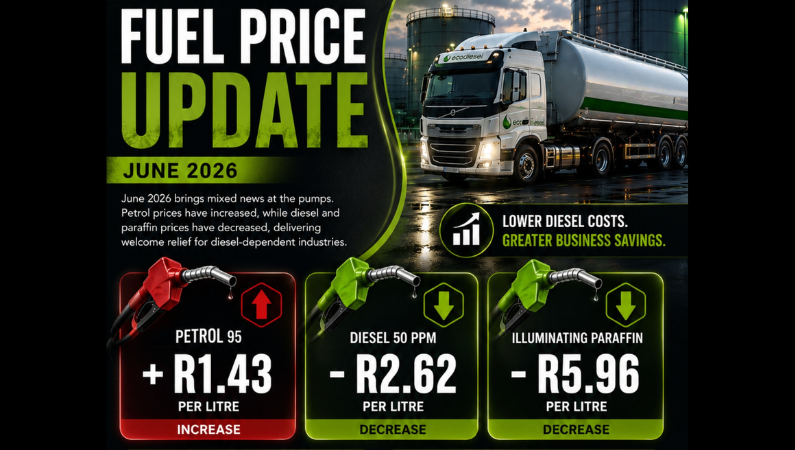
What this means for your business
- Lower diesel and paraffin prices provide immediate cost relief for transport, mining, agriculture, construction and industry.
- Even small changes in fuel prices can have a significant impact on operational budgets and profit margins.
- Now is the time to review fuel strategies and lock in savings where possible.
- Smart fuel management today creates stronger, more resilient businesses tomorrow.
What’s driving the change?
- Lower international oil prices and reduced demand for middle distillates.
- Favourable exchange rate movements supporting fuel price decreases.
- Improved global supply conditions and stable shipping routes.
- Ongoing balance between global crude supply and market demand.
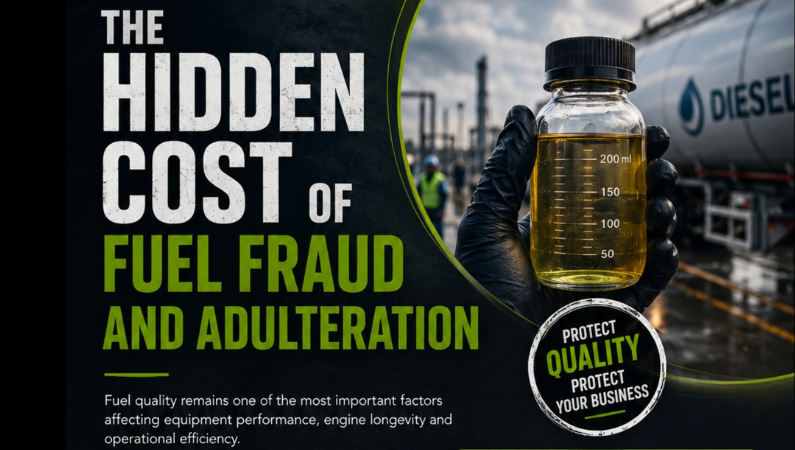
Fuel quality remains one of the most important factors affecting equipment performance, engine longevity and operational efficiency.
Across South Africa, fuel adulteration and illegal fuel activities continue to present challenges for businesses and regulators. Industry reports indicate that fuel tampering and product contamination can result in significant financial losses throughout the supply chain.
When fuel quality is compromised, businesses may experience:
• Increased engine wear
• Reduced fuel efficiency
• Unexpected maintenance costs
• Equipment downtime
• Lower productivity
For fleet operators and industrial users, these issues can quickly escalate into major operational disruptions.
The most effective defence is partnering with reputable fuel suppliers that prioritise quality assurance, proper storage procedures and transparent supply practices.
Businesses should also implement regular fuel monitoring programmes and investigate unusual consumption patterns or equipment performance issues promptly.
In today’s competitive environment, protecting fuel integrity is not simply a compliance requirement—it is a strategic business decision that directly affects profitability and operational reliability.
Quality fuel remains one of the most valuable investments businesses can make in safeguarding assets and maintaining productivity.
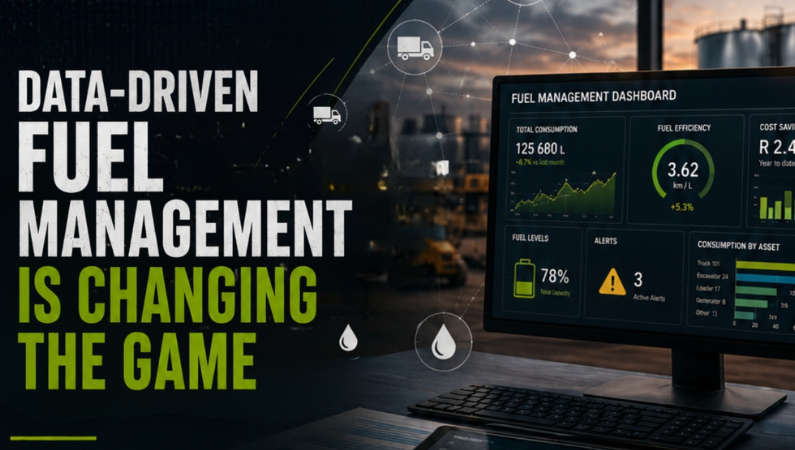
The fuel industry is becoming increasingly technology driven, with businesses using data analytics to improve operational efficiency and reduce costs.
Modern fuel management systems provide organisations with greater visibility into consumption patterns, storage levels and equipment performance. This allows decision-makers to identify inefficiencies before they become costly problems.
Benefits of fuel data analytics include:
• Improved forecasting accuracy
• Reduced fuel wastage
• Better inventory management
• Enhanced budgeting capabilities
• Increased operational visibility
For transport companies, mining operations and agricultural businesses, even small efficiency improvements can generate substantial annual savings.
Technology is also helping organisations strengthen compliance, improve reporting and reduce the risk of fuel losses.
As digital transformation continues across South African industries, businesses that embrace fuel management technologies are gaining a competitive advantage through improved decision-making and greater operational control. The future of fuel management will increasingly depend on visibility, accountability and actionable data insights.
Why Supply Chain Resilience Is The New Competitive Advantage
The events of recent years have highlighted the importance of resilient supply chains. Global disruptions, geopolitical tensions and changing market conditions have reinforced the need for businesses to prepare for uncertainty.
The fuel sector remains closely linked to international shipping routes, global energy markets and economic developments. Changes occurring thousands of kilometres away can rapidly influence local fuel availability and pricing.
Businesses that build resilience into their fuel supply strategies are often better equipped to manage unexpected challenges.
Key resilience strategies include:
• Maintaining appropriate fuel reserves
• Diversifying supply arrangements
• Strengthening supplier partnerships
• Improving demand forecasting
• Developing contingency plans
Resilient organisations are not necessarily those that avoid disruptions entirely. Rather, they are businesses capable of adapting quickly and maintaining operational continuity when challenges arise.
As economic conditions continue evolving, supply chain resilience is becoming a key differentiator between businesses that merely react to change and those that successfully navigate it.
For many organisations, fuel security now forms a critical component of broader business continuity planning.
At Eco Diesel, we remain committed to supporting customers with dependable supply solutions that help strengthen operational resilience and long-term success.