
Steady Hands. Smarter Decisions. Stronger Partnerships.
As we move through the heart of winter, many South African businesses are navigating an environment that remains both challenging and full of opportunity. While July has delivered welcome relief at the pumps with lower diesel prices, experienced business leaders know that sustainable success is never built on price alone. It is built on planning, reliable partnerships and making smart operational decisions every day. Recent fuel price reductions have been driven largely by softer international oil prices and a stronger rand, providing much-needed relief for transport, agriculture, mining and industrial businesses.
At Eco Diesel, our commitment extends far beyond supplying fuel. We believe our role is to help customers operate with greater confidence by ensuring reliable supply, consistent fuel quality and responsive service whenever and wherever it is needed. Whether we’re delivering to a remote mine, a busy logistics hub, a commercial fleet or a farming operation, our focus remains exactly the same—keeping your operations moving without interruption.
The second half of the year is traditionally a busy period for many industries. Increased production schedules, seasonal agricultural activity and year-end planning all place additional demands on fuel supply chains. Having a dependable fuel partner becomes an operational advantage, not simply another supplier relationship.
Our team continues to invest in improving our service, expanding our capabilities and strengthening the partnerships that have helped Eco Diesel become a trusted name across South Africa.
On behalf of everyone at Eco Diesel, thank you for your continued trust and support. We look forward to helping your business finish 2026 stronger than ever.
Stay safe, stay productive, and let Eco Diesel continue powering your success.
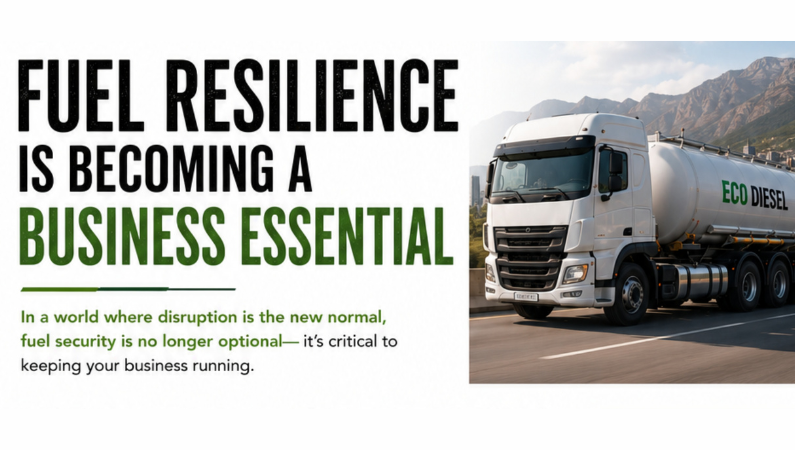
South Africa’s fuel landscape continues to evolve, with government placing renewed emphasis on improving the country’s long-term energy security. The recently published draft Strategic Petroleum Stocks Policy reflects a growing recognition that fuel supply interruptions—whether caused by international conflict, shipping disruptions or refinery constraints—can have widespread economic consequences.
South Africa imports a significant portion of its refined fuel requirements, making the country increasingly exposed to global supply chain disruptions. While local fuel supplies have remained stable, recent periods of uncertainty demonstrated how quickly public concern can place additional pressure on the fuel distribution network.
The proposed policy outlines a structured approach for responding to major fuel supply emergencies. It includes plans to strengthen strategic petroleum reserves and establish clear emergency response measures should the country experience an extreme and prolonged disruption. The objective is to protect essential services while maintaining stability across the broader economy.
For businesses, the message is straightforward: fuel continuity should form part of every operational risk management plan. Organisations that rely on diesel to power fleets, generators, heavy equipment or production facilities should regularly assess their storage capacity, supplier diversification and fuel management processes. Having secure supply arrangements and greater visibility of fuel usage can significantly reduce the impact of unexpected market disruptions.
Although the policy is still under public consultation and has not yet been implemented, it highlights the increasing importance of proactive fuel planning. Businesses that invest in fuel security today are not only reducing operational risk but also strengthening their ability to continue serving customers when market conditions become unpredictable. In an environment where reliability is a competitive advantage, preparation is one investment that continues to deliver value.

Beyond the Price Drop: Why Fuel Security Matters More Than Ever
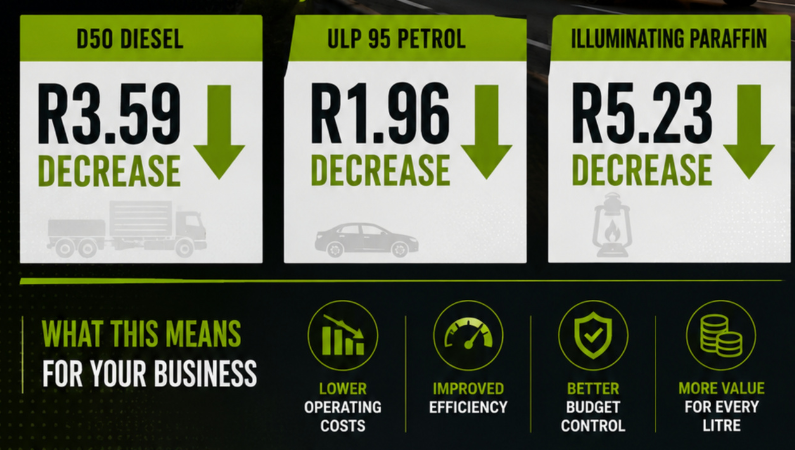
The July fuel price adjustment has brought welcome relief to South African businesses, with diesel users benefiting from one of the more significant decreases seen this year. While lower fuel costs are always good news, many companies make the mistake of focusing only on the price per litre. The real savings often come from protecting every litre once it reaches your site.
Fuel theft, unauthorised dispensing and poor inventory management remain major challenges across South Africa. Industry estimates suggest that businesses can lose thousands of litres of diesel annually through unnoticed leaks, inaccurate manual records or internal fuel losses. For fleet operators, mines, farms and construction companies, these hidden costs can quickly outweigh the benefit of a temporary fuel price reduction.
Fuel security starts with visibility. Knowing exactly how much fuel has been delivered, where it is stored, who is dispensing it and how quickly it is being consumed allows businesses to make informed operational decisions. Modern fuel management technology provides real-time monitoring, automated reporting and detailed transaction records, helping businesses identify unusual consumption patterns before they become costly problems.
Physical infrastructure also plays a critical role. Secure storage tanks, calibrated dispensing equipment, controlled access systems and routine inspections all contribute to reducing unnecessary losses. Investing in quality fuel infrastructure is not simply about compliance—it is about protecting one of your company’s most valuable operating expenses.
At Eco Diesel, we work closely with customers to help them improve fuel security while maintaining uninterrupted supply. Every delivery is backed by strict quality control procedures, calibrated metering and dependable logistics to ensure customers receive exactly what they expect.
As businesses prepare for the busy second half of the year, the most successful organisations will not only benefit from lower fuel prices—they will maximise the value of every litre they purchase.
Because when every litre counts, protecting your fuel is just as important as buying it at the right price.
The Hidden Cost of Downtime: Why Reliable Fuel Supply Keeps Businesses Competitive
For many businesses, fuel is viewed as a consumable expense. In reality, it is one of the most critical drivers of operational continuity. When fuel is unavailable—even for a few hours—the impact can extend far beyond delayed deliveries. Production slows, equipment stands idle, staff productivity declines, customer commitments are missed and operating costs begin to climb.
Across South Africa, industries such as mining, agriculture, logistics, construction and manufacturing operate on tight schedules where every hour matters. Harvesting equipment cannot wait for diesel. Construction projects cannot afford machinery standing still. Logistics companies rely on vehicles leaving on time to meet customer expectations. In these environments, a dependable fuel supply is not simply convenient—it is business critical.
The most resilient businesses are those that plan ahead. Instead of ordering fuel only when tanks are nearly empty, they work with trusted suppliers to establish scheduled deliveries based on actual consumption. This proactive approach reduces the risk of emergency orders, avoids unnecessary transport costs and ensures operations continue uninterrupted during periods of high demand.
On-site fuel storage also provides greater flexibility. Businesses with sufficient storage capacity can purchase strategically, reduce unnecessary trips to retail filling stations and improve operational efficiency by keeping vehicles and equipment fuelled where they work. Combined with accurate monitoring of fuel levels, this creates a more reliable and cost-effective operation.
At Eco Diesel, reliability is at the heart of everything we do. Our nationwide delivery network, experienced logistics team and commitment to consistent fuel quality ensure customers receive the fuel they need—when and where they need it. Every delivery is supported by calibrated equipment and strict quality assurance processes, giving customers complete confidence in every litre supplied.
In today’s competitive environment, success is built on consistency. Businesses that eliminate avoidable downtime, plan their fuel requirements effectively and partner with a reliable fuel supplier are better positioned to meet customer expectations and grow with confidence.
Because when your business never stops moving, neither should your fuel supply.

Every business looks for ways to reduce costs, improve productivity and increase profitability. While many companies focus on labour, maintenance and procurement, one area that often presents significant opportunities for savings is fuel planning. A proactive fuel strategy can reduce unnecessary expenses, improve fleet performance and strengthen overall operational efficiency.
Many organisations still rely on reactive ordering—placing fuel orders only when storage tanks are running low. This approach can result in emergency deliveries, rushed logistics and increased operational risk. By understanding fuel consumption patterns and forecasting future demand, businesses can schedule deliveries more effectively, ensuring fuel is always available without overstocking or running short.
Technology also plays a key role in smarter fuel planning. Modern fuel monitoring systems provide real-time visibility into tank levels, fuel usage and dispensing activity. This information enables managers to identify trends, predict future requirements and make informed purchasing decisions. Instead of relying on estimates or manual records, businesses gain accurate data that supports better planning and tighter cost control.
Seasonal changes should also form part of every fuel strategy. Agricultural operations experience increased demand during planting and harvesting, while logistics and distribution businesses often see higher activity as year-end approaches. Planning for these fluctuations helps businesses avoid unnecessary pressure on operations during peak periods.
Another important consideration is preventative maintenance. Well-maintained storage tanks, dispensing equipment and fuel management systems reduce the risk of contamination, equipment failure and costly disruptions. Regular inspections and servicing help ensure fuel remains clean, equipment performs efficiently and operations continue without interruption.
At Eco Diesel, we partner with customers to develop fuel supply solutions that match their operational requirements. From scheduled deliveries and bulk fuel supply to reliable customer support, our goal is to help businesses operate more efficiently while maintaining complete confidence in their fuel supply.
The businesses that achieve long-term success are rarely those that simply react to changing conditions. They are the organisations that plan ahead, use accurate data and build reliable partnerships that support sustainable growth.
With the right fuel strategy in place, every litre works harder for your business.
From Compliance to Competitive Advantage: Why Professional Fuel Management Pays Off
For many businesses, fuel management is viewed simply as an administrative function—tracking deliveries, monitoring invoices and ensuring tanks are filled. However, leading South African companies are discovering that effective fuel management is far more than good housekeeping. It is a strategic business tool that improves profitability, strengthens compliance and supports better operational decision-making.
Every litre of diesel purchased should deliver maximum value. Without accurate monitoring, businesses often struggle to identify excessive consumption, inefficient vehicle usage or irregular dispensing patterns. Over time, these hidden inefficiencies can add significant costs that directly affect the bottom line.
Modern fuel management systems provide real-time visibility into fuel inventory, dispensing activity and consumption trends. Managers can quickly identify unusual fuel usage, reconcile deliveries against stock levels and generate accurate reports for financial planning. This level of transparency improves accountability across the business while reducing the administrative burden associated with manual record-keeping.
Compliance is another important consideration. Businesses operating in transport, mining, agriculture and industrial sectors increasingly require accurate fuel records for auditing, tax reporting and operational governance. Reliable fuel data supports better financial controls while helping businesses demonstrate sound operational practices.
There are also environmental benefits. Monitoring fuel consumption allows businesses to identify inefficient equipment, reduce unnecessary idling and optimise fleet utilisation. Lower fuel consumption not only reduces operating costs but also contributes to lower carbon emissions and improved sustainability performance.
At Eco Diesel, we understand that supplying fuel is only part of the solution. We work with customers to improve their entire fuel operation through dependable bulk diesel delivery, accurate metering, quality assurance and fuel management solutions that provide greater control over one of their largest operating expenses.
The businesses that will lead their industries in the years ahead are those that embrace smarter operational management. By treating fuel as a strategic asset rather than simply another expense, companies can improve efficiency, strengthen compliance and unlock measurable cost savings.
Because effective fuel management doesn’t just support your business—it helps drive it forward.
Powering South African Agriculture Through the Peak Season
Agriculture is one of South Africa’s most important industries, and behind every successful farming operation is a dependable fuel supply. From tractors and combine harvesters to irrigation pumps, generators and transport vehicles, diesel keeps modern farming moving. As many regions prepare for increased activity during the second half of the year, ensuring a reliable supply of quality diesel becomes essential for maintaining productivity and profitability.
Unexpected fuel shortages can have serious consequences on a farm. Delayed planting, interrupted irrigation, postponed harvesting or transport delays can all result in higher operating costs and reduced yields. Unlike many industries, agricultural operations often work within narrow weather windows, making every hour of equipment availability critical.
Having bulk diesel storage on-site offers farmers significant operational advantages. Instead of relying on multiple trips to fuel stations, equipment can be refuelled directly on the farm, reducing downtime and improving productivity. On-site storage also provides greater control over fuel availability during busy periods when demand is at its highest.
Fuel quality is equally important. Modern agricultural equipment relies on high-performance engines that require clean, uncontaminated diesel to operate efficiently. Poor-quality fuel can lead to clogged filters, injector damage, increased maintenance costs and reduced engine performance. Choosing a trusted bulk diesel supplier that implements strict quality control measures helps protect valuable machinery and keeps operations running smoothly.
Another growing trend within the agricultural sector is the adoption of smarter fuel management practices. Monitoring fuel consumption across different machines allows farmers to identify inefficiencies, manage costs more effectively and improve budgeting throughout the season. Understanding where every litre is used enables better operational planning and supports more informed business decisions.
Eco Diesel proudly supports South Africa’s agricultural sector with dependable bulk diesel delivery, flexible supply solutions and exceptional customer service. Whether supplying a family-owned farm or a large commercial agricultural operation, our commitment is to deliver quality fuel safely, efficiently and on time.
As farming operations gear up for another demanding season, partnering with a reliable fuel supplier provides more than convenience—it delivers confidence. With secure fuel supply, consistent quality and responsive service, farmers can focus on what matters most: producing the food that keeps South Africa growing.
Why Fuel Quality Is Your Fleet’s First Line of Defence
For most businesses, vehicle maintenance focuses on tyres, servicing and driver behaviour. Yet one of the biggest factors influencing fleet performance starts long before the engine is switched on—the quality of the diesel going into the tank. Whether you operate five vehicles or five hundred, fuel quality has a direct impact on reliability, operating costs and vehicle lifespan.
Modern diesel engines are engineered with advanced fuel injection systems that operate at extremely high pressures. Even small amounts of water, dirt or contaminated fuel can cause blocked filters, injector wear and expensive repairs. The result is increased downtime, reduced fuel efficiency and higher maintenance costs—issues that no fleet manager wants to face.
Choosing a reputable bulk diesel supplier is one of the most effective ways to protect your fleet. Quality suppliers implement strict fuel handling procedures throughout the supply chain, from storage and transportation to delivery. Calibrated equipment, clean delivery systems and rigorous quality control processes help ensure that every litre delivered meets the required standards.
Storage practices at your own premises are equally important. Fuel tanks should be inspected regularly for signs of water ingress, sediment build-up and damaged seals. Preventative maintenance, combined with good housekeeping around storage facilities, helps preserve fuel quality and protects valuable equipment from unnecessary wear.
Another often-overlooked factor is fuel testing. Working with a supplier that can provide quality assurance and fuel analysis offers added confidence that your business is receiving the product it has paid for. This is particularly valuable for industries where equipment operates continuously under demanding conditions, such as mining, logistics, agriculture and construction.
At Eco Diesel, quality is built into every delivery. Our commitment to reliable bulk fuel delivery in South Africa includes carefully managed logistics, calibrated dispensing equipment and strict quality standards that help customers keep their fleets operating at peak performance.
The true cost of poor-quality fuel is rarely reflected on the delivery invoice. It appears later through unexpected breakdowns, lost productivity and rising maintenance bills. Investing in a trusted fuel partner is therefore not simply about buying diesel—it is about protecting your assets, improving operational efficiency and ensuring your business keeps moving.
South Africa’s Infrastructure Pipeline: What It Means for Fuel Demand in 2026
South Africa is entering a period of renewed infrastructure investment, creating opportunities across the construction, mining, logistics and industrial sectors. As roads are upgraded, new developments break ground and public and private infrastructure projects gain momentum, one thing remains constant—every project depends on a reliable supply of diesel.
Construction equipment such as excavators, graders, cranes, loaders and generators consume large volumes of fuel every day. Delays in fuel supply can bring an entire project to a standstill, affecting contractor productivity, project timelines and ultimately profitability. For project managers, securing a dependable bulk diesel supplier is becoming just as important as sourcing quality materials and skilled labour.
Mining operations face similar challenges. Whether extracting minerals, moving materials or powering heavy machinery, uninterrupted fuel supply is essential for maintaining production targets. Logistics companies supporting these industries must also ensure their fleets remain fuelled and ready to meet demanding delivery schedules.
One trend becoming increasingly popular is the use of temporary on-site fuel storage solutions. Instead of relying on daily fuel deliveries or nearby filling stations, businesses are installing secure bulk fuel tanks directly on project sites. This improves operational efficiency, reduces vehicle downtime and allows equipment to be refuelled exactly where it is working.
Reliable fuel logistics are equally important. Businesses require a supplier that can deliver safely, consistently and on schedule—even to remote locations where access may be more challenging. Fast turnaround times and responsive customer service help minimise disruptions and keep projects progressing according to plan.
Eco Diesel partners with contractors, fleet operators, mines and industrial businesses across South Africa by providing dependable bulk diesel delivery, flexible supply options and service that customers can rely on. Whether supporting a short-term construction project or a long-term industrial operation, our focus is on delivering quality fuel that keeps businesses productive.
As South Africa continues investing in economic growth and infrastructure development, companies that have a reliable fuel strategy will be best positioned to take advantage of new opportunities. After all, successful projects are not only built with steel and concrete—they’re powered by dependable fuel supply.